Secured vs Unsecured Credit Cards: What’s the Difference?

Kevin Mitchell
Thursday, October 8, 2026 at 10:56 AM EDT
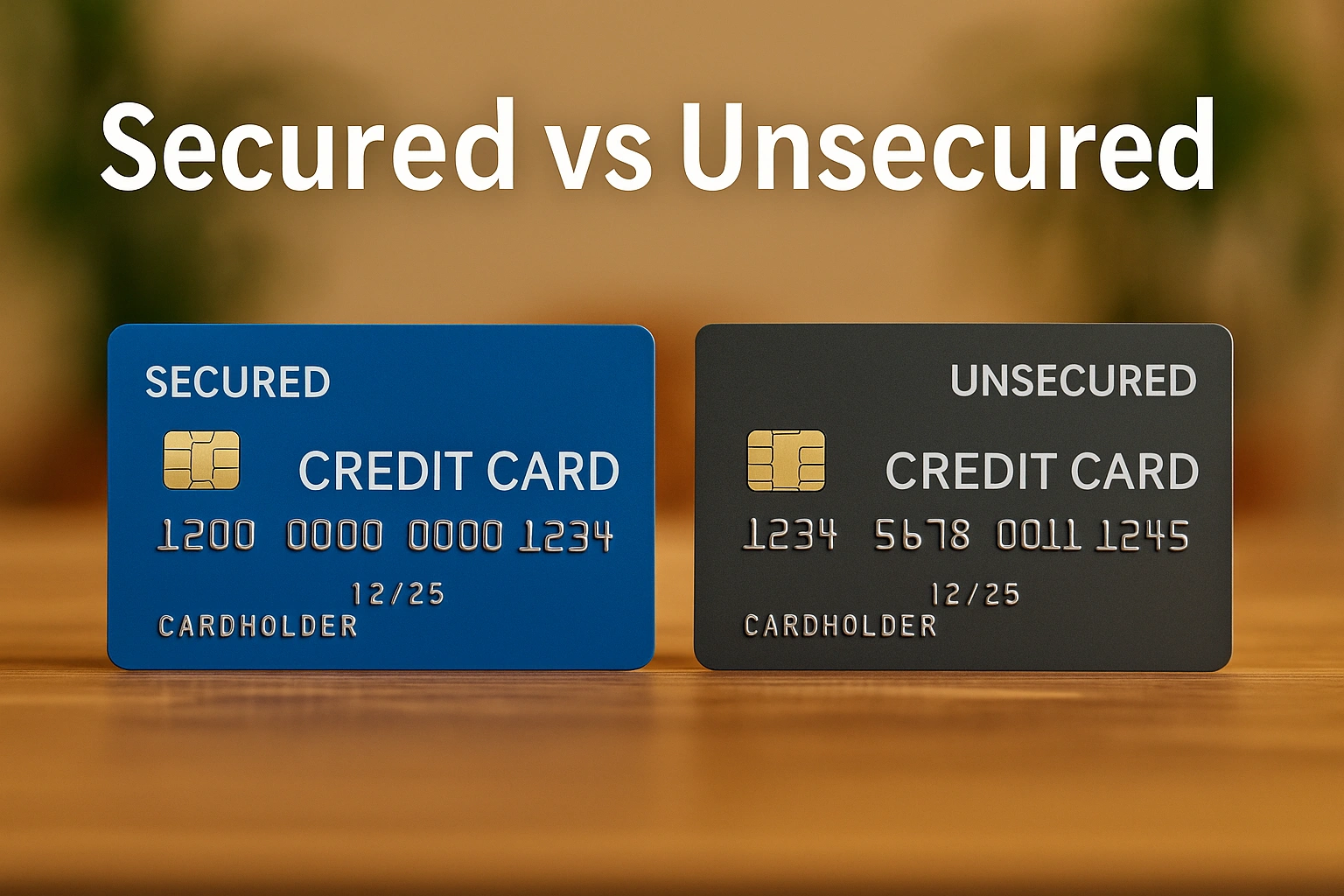
Secured vs unsecured credit cards are two main types of people who find a new credit card. These cards may look the same, but they work in a very different way. Knowing the difference between safe vs unsafe credit cards can help you make you a smart option for your wallet and your credit. When it comes to deposit, approval or profit, safe vs unprotected credit cards are not the same. Each card has unique features that can affect your credit-building journey.
Understanding a safe vs unsafe credit card makes it easy to find a card that matches your financial needs and long -term goals. Safe vs. unsafe credit cards also impact the types of awards or allowances you can achieve. By comparing safe vs unsafe credit cards, you can avoid mistakes and choose with confidence. All this comes down to know what each card provides before applying for you.
What Is a Secured Credit Card?
A safe credit card is for those who want to build or fix their credit score. To get one, you pay a deposit amount. This deposit usually determines the range of your spending. For example, if you put $ 300, you can spend up to $ 300 on your card. You use a safe card like any other credit card. Buy what you want, then pay the remaining amount every month. If you pay on time, your credit score can go up.
After a few months of good use, some banks can switch you to an unsafe card and return their deposits. Many safe cards report your activity to the major credit bureau, which helps you to show positive credit habits. Safe credit cards often come with low rewards, but they give you a chance to prove that you can manage credit. If you are starting fresh or rebuilt your credit profile, then choosing a safe credit card is a good step.
What Is an Unsecured Credit Card?
The unprotected credit card is the most common type of card. You do not need deposits to start. The bank looks at your credit score to fix your limit. If your score is strong, you can get better limit and low fee. These cards offer more allowances, such as cash back and travel rewards. Some also provide additional protection for your purchase.
If you already have a good credit, then unsafe credit cards work well. To enjoy more benefits, use your card wisely and keep making your credit. Because there is no deposit, these cards are easy to use for most daily needs. If your credit is low, approval is difficult, but if your score is higher than you get more options. Always pay timely to protect your score and avoid high interest costs.
How Secured vs Unsecured Credit Cards Are Different
The main difference between secured vs unsecured credit cards is the deposit. Secured cards always need one. Unsecured cards never do. That single detail changes who can apply, how much they can spend, and what benefits they get. Here’s a quick look at how these cards compare:
| Feature | Secured Credit Cards | Unsecured Credit Cards |
|---|---|---|
| Deposit Required | Yes | No |
| Credit Limit | Based on your deposit | Based on credit score |
| Approval Requirements | Easier with low credit | Needs better credit |
| Rewards and Perks | Few or none | Many options |
| Best For | Building or fixing credit | Everyday use and rewards |
Who Should Choose a Secured Credit Card?
A secured credit card fits best if you are new to credit or want to fix past mistakes. If you do not qualify for a regular credit card, a secured one gives you a way to prove you can pay bills on time. Over time, using a secured card wisely can help you move up to better offers. Many people choose secured credit cards when starting out because approval is easier.
You don’t need a strong credit score to get one. Even if you’ve faced rejections before, a secured card gives you another chance. As you make payments each month, your positive history gets reported to credit bureaus. This helps you build trust with banks and opens doors to more options later on.
Who Should Choose an Unsecured Credit Card?
If your credit is already in good shape, an unsafe credit card can provide more price. You get rewards, large credit limits and access to additional allowances. Since there is no deposit, your cash stays in your own account. If you want more flexibility and option, then these cards are a better fit. With high approval standards, you may also get a low interest rate.
Unprotected credit cards work well for those who pay their bills on time and manage expenses. Over time, using an unsafe card can help you make your credit score correctly. If you like to earn prizes or want more profit, unsafe credit cards are a smart option.
How Secured vs Unsecured Credit Cards Impact Your Credit

If you use them wisely, then both types of credit cards can improve your credit score. Paying on time and keeping your balance are important steps. Since most card issuers report to three main credit bureaus, your good habits can create a real difference. After a while, your credit score can go up, which can help you qualify for loan, car leases or better credit card deals. When you use safe vs unsafe credits correctly, you set yourself for future success. Here’s how both types can help:
- Timely payments show you to the lender you are responsible.
- Keeping your balance low improves your credit use ratio.
- Using the card increases your score over a long credit history time.
Because both safe vs unsafe credit cards report your activity, the way you use them matters the most. Even a small card can help you make a positive record. Just remember, paid payment or high balance can reduce your score, so always check your statements and stay on the track. Over time, your efforts with safe vs unsafe credit cards can lead to better offers and more financial freedom. For tips on improving your credit, see myFICO’s credit education resources.
Take Control of Your Credit with the Right Card
No matter where you are in your financial journey, knowing the difference between a safe versus unprotected credit cards helps you make smart choices.
Using the card can help you build credit handle your money well and reach your goals faster. When you use your card responsibly and pay on time you can boost your credit score. That opens the door, to financial choices later on. Always think carefully about your options. Pick the card that fits your life and your needs. With the credit card you can move forward with confidence and take control of your credit. Keep in mind—what you do today can shape your credit tomorrow.
Both safe versus unsafe credit cards can open new doors for your finance. Take time to understand your options and make the option that supports your goals.
Mistakes to Avoid with Secured vs Unsecured Cards
Many people get a new credit card and forget that smart habits matter the most. A common mistake is spending to the credit limit every month. If you cannot pay your balance, it can cause loan and high interest fee. The payment date due to payment is another issue, which can damage your credit score and add late fees. Some people also ignore their monthly statements, missing signs of fraud or billing mistakes.
With safe vs unsafe credit cards, it is important to keep your balance low and always pay on time. Opening a lot of cards at a time can reduce your score due to hard inquiry. Always check the conditions and fees of your card before using your card. By avoiding these mistakes you can use your credit card to create a financial future. Make sure you read the terms carefully. Look for charges. Know what you are getting into. It helps to avoid surprises on. A little effort now can save you a lot of stress later. Just take the time to understand your card. That way you can use it wisely. Use your card to build habits. Build your credit score step by step. Stay in control of your money. Don’t let your card control you. Keep your spending in check. Pay on time every time.
For more details on essential terms and definitions, check out our guide Credit Card Terms Explained. This resource will help you better understand the words and concepts you’ll see on every credit card statement.
Key Differences Between Secured and Unsecured Credit Cards
The biggest difference between secured credit cards and unsecured credit cards is the security deposit. With a secured card you normally need to give money upfront. The issuer keeps that money while your account stays open. If you use the account wisely and later close it in standing or if the issuer upgrades you to an unsecured card you may get the deposit back according to the card terms.
Unsecured credit cards do not usually need a deposit. Because the issuer takes on risk approval rules may be stricter. People with credit may get cards with higher limits, lower fees, better rewards and more benefits. However not every unsecured card is better. Some unsecured cards may have APRs, annual fees or limited rewards so it is important to compare the full terms before applying.
Another difference is the target customer. Secured cards are usually made for people who are building or rebuilding credit. Unsecured cards can serve a wider range of users from beginners with fair credit to people with excellent credit looking for premium rewards. The right choice depends on your credit history, budget and what you want from the card.
Which Type of Credit Card Is Right for You?
Choosing between a secured card and an unsecured card mainly depends on your credit situation. If you have no credit history or if you have had problems with credit in the past a secured card may be a practical starting point. A secured card can give you access to a credit account while giving the issuer some protection through the deposit. With use a secured card may help you build a stronger credit profile over time.
If you already have credit an unsecured card may offer more flexibility. An unsecured card may qualify you for rewards, larger credit limits introductory APR offers and additional benefits. However approval is never. The best card is not always the one, with the most rewards. You should also compare the APR, annual fee, foreign transaction fee late payment terms and other costs.
The important thing is to choose a card you can manage comfortably. Whether you use a secured card or an unsecured card use it within your budget make payments on time and avoid carrying debt than you can afford. Both secured cards and unsecured cards can be tools when used responsibly but the best option is the one that matches your financial needs and credit goals.
FAQs for Secured vs Unsecured Credit Cards
Can a secured card help my credit score?
Yes. A secured credit card can help you build or rebuild credit if the issuer reports your account activity to the major credit bureaus. Paying on time and keeping your balance low are especially important.
Do I get my deposit back with a secured card?
Usually, yes. You may get your security deposit back when you close the account in good standing or when the issuer upgrades you to an unsecured card. The exact rules depend on the card issuer.
Which card is better for rewards?
Unsecured credit cards usually offer better rewards, welcome bonuses, and extra benefits. Some secured cards also earn rewards, but the options are often more limited.
Will applying for a card lower my credit score?
It can cause a small temporary drop if the issuer performs a hard credit inquiry. The effect varies by person. Responsible use, such as paying on time and keeping balances low, can help strengthen your credit profile over time.
What is the main difference between secured and unsecured credit cards?
A secured credit card usually requires a refundable security deposit. An unsecured credit card usually does not require a deposit and is approved mainly based on your credit profile and other eligibility factors.
Is a secured credit card good for beginners?
Yes. A secured card can be useful for people with limited credit history or those rebuilding credit. It can provide a simple way to establish positive payment history when used responsibly.
How much deposit do I need for a secured credit card?
The required deposit varies by issuer. In many cases, the deposit helps determine your starting credit limit. Always check the card terms before applying.
Can I upgrade from a secured card to an unsecured card?
Sometimes. Some issuers review secured accounts and may offer an upgrade after a period of responsible use. Other issuers may require you to apply for a new unsecured card.
Are secured credit cards guaranteed approval?
No. A security deposit does not guarantee approval. Issuers may still review your application, income, identity, credit history, and other factors.
Do secured and unsecured cards build credit the same way?
They can both help build credit if the issuer reports your account activity to the credit bureaus. Your payment history, balances, and overall credit use matter more than whether the card is secured or unsecured.
Trending Insights
Discover the smartest credit card solutions designed to simplify payments and reward your lifestyle