Credit Card Security in 2026: Virtual Cards, Biometrics, and Fraud Protection

Adman Brooks
Wednesday, October 7, 2026 at 12:40 PM EDT
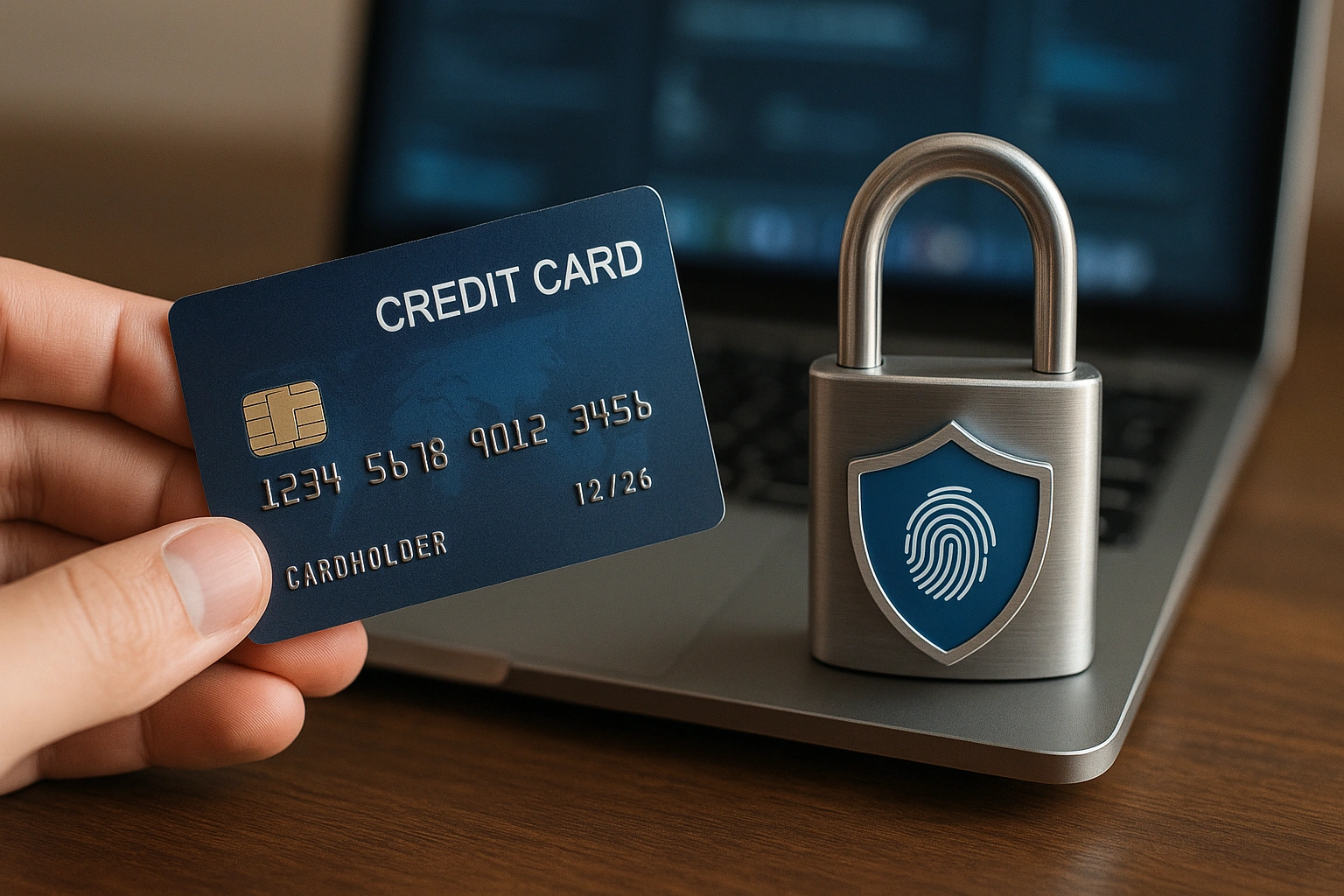
Security of credit cards became one of the major issues in 2026. People increasingly use credit cards when shopping, paying utility bills and traveling. Online payment transactions have significantly grown in volume, while mobile wallets are used every day. Naturally, the increase in number is connected to an increased number of threats. Hackers operate, while various types of fraud persist. However, there are numerous ways of protecting oneself from them, which have never been so effective before. Virtual credit cards, biometric authentication, and AI-based fraud protection are the main ways of doing it.
Nowadays, credit card security cannot be ensured through only such means as pin codes or passwords. Modern security solutions combine speed and reliability to satisfy consumer demands. Both banks and fintech companies struggle to meet them. This article discusses modern credit card security with virtual credit cards, biometric authentication, and real-time fraud protection becoming more popular.
Virtual Credit Cards: Stronger Online Payment Security

One of the biggest advances in credit card security is the rise of virtual credit cards. These are digital versions of your card with unique numbers. Instead of using your permanent card details online, you use these temporary numbers. If they are stolen, they cannot be reused.
In 2025, most major banks and financial apps offer virtual credit cards. They are issued instantly in mobile apps. Users can create a number, set a spending limit, and even restrict the card to one merchant. This adds a powerful layer of online payment security.
Why Virtual Cards Are Essential for Credit Card Security
Despite everything, fraudsters are not going to give up on stealing money through e-commerce operations. The information about credit card numbers is the item most frequently sold on the dark web. However, virtual credit cards decrease the significance of such a violation since these cards expire fast or work with just one merchant. Therefore, fraud is significantly harder to commit.
Additionally, there are some advantages for companies as well. Virtual credit cards allow employers to issue them to their employees who have the set budget.
- Advantages for Customers
- One-time card numbers for safe purchases online.
- Cards which can be used exclusively with certain merchants.
- Possibility to manage subscriptions via virtual credit cards (cancellation after one billing cycle).
- Spending limits for budgeting or usage by family members.
- Application access.
It is possible to see that virtual credit cards provide customers with safety, but not at the expense of convenience.
Biometrics: The Future of Credit Card Authentication
Passwords and PINs have long been weak spots in credit card security. They can be guessed, stolen, or forgotten. In 2026, biometric authentication is changing that. Your body becomes the password.
Many credit cards now have fingerprint sensors built in. At checkout, you simply touch the card to approve a transaction. Mobile wallets already use Face ID or fingerprint scans. Voice ID is also being tested for customer service and banking calls.
How Biometrics Strengthen Credit Card Security
Biometric authentication is harder to fake. A fingerprint or facial scan offers far more protection than a PIN. Combined with encryption, biometrics create stronger identity checks. This makes unauthorized access far less likely.
Benefits of Biometrics
- Fingerprint cards that verify users instantly in stores.
- Face and iris recognition in mobile wallets for seamless payments.
- Voice ID for call-based transactions.
- Multi-layer security that mixes biometrics with device or location checks.
- Ease of use without memorizing passwords.
Privacy and Trust
While biometrics improve credit card security, they raise privacy concerns. People worry about where their data is stored. To build trust, banks now store fingerprints or scans on devices, not central servers. This way, sensitive data never leaves the customer’s card or phone.
Fraud Protection: Smarter Credit Card Security with AI
Fraud protection is the backbone of credit. In 2026, it will be powered by artificial intelligence. AI systems analyze billions of transactions in real time. They detect unusual behavior faster than humans ever could.
Instead of relying only on spending limits, modern fraud detection tracks multiple factors. These include device type, location, time of day, and even typing behavior. AI learns patterns and blocks suspicious activity instantly.
Modern Fraud Protection Tools
- AI monitoring to detect abnormal activity.
- Real-time alerts sent via app or text.
- Instant card freezing with one tap.
- Geo-verification to match purchase location with the user’s phone.
- Adaptive learning that improves as fraud schemes evolve.
Example of Real-Time Security
Imagine you are shopping in New York. At the same time, your card is used in another country. The fraud protection system flags the mismatch. The transaction is blocked immediately. You get an alert on your phone. With one tap, you confirm or deny the purchase. If it was not you, the card is frozen instantly.
How Consumers Can Improve Their Credit Card Security
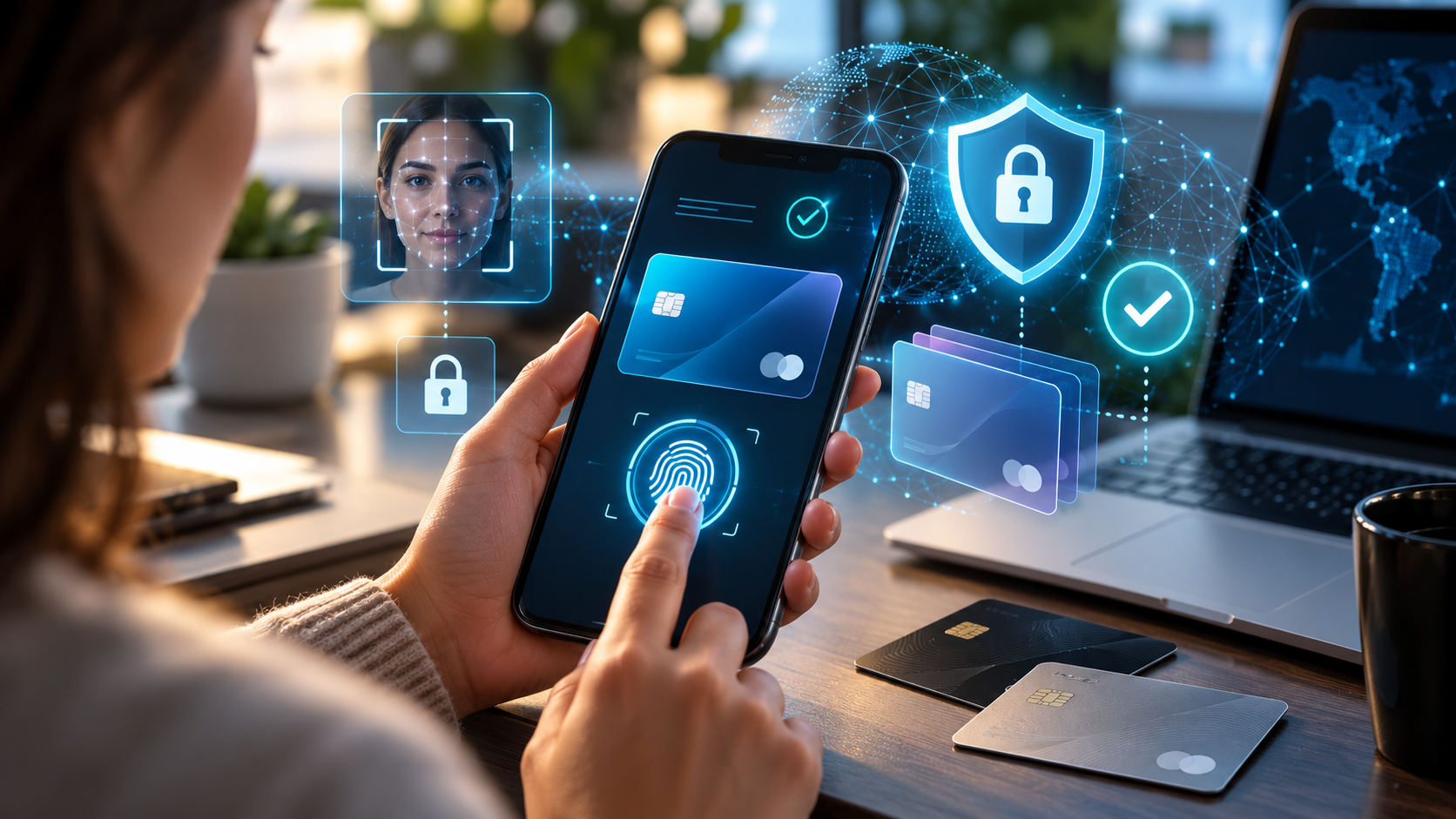
Even with advanced tools, users still play a role in credit card safety. Good habits make fraud prevention stronger.
Practical Tips in 2026
- Use virtual credit cards for all online shopping.
- Enable biometrics for mobile banking and wallets.
- Turn on instant alerts for every transaction.
- Check statements regularly for hidden charges.
- Keep apps updated to benefit from the latest security features.
Credit card security works best when technology and consumer awareness go hand in hand.
The Future of Credit Card Security
Looking ahead, experts see even more innovation in credit card security. Behavioral biometrics are becoming popular. These systems identify users by how they swipe, type, or hold a device. Other trends include tokenization for in-store payments and stronger encryption designed to resist future quantum computing threats.
The challenge will always be balancing protection with speed. Consumers want both safety and convenience. That is why the future of credit card security is about invisible safeguards. Strong defenses will run in the background while users enjoy smooth payments.
How Does a Virtual Credit Card Protect Your Payment Details?
A virtual credit card helps to protect the user’s payment details while making purchases online. In other words, instead of disclosing your actual credit card details, the customer can use another number for online purchases. Some financial institutions allow users to generate temporary or merchant-specific numbers that can be helpful if someone steals the payment details. Virtual credit cards will be very useful when subscribing online, shopping at new sites, or making some purchases.
How Does Biometric and Fraud Prevention Secure Your Card?
Biometric verification allows confirming the identity of the user by scanning fingerprints or using facial recognition before authorizing a certain transaction. In other words, this tool helps to make your account more secure, even if someone obtains your login details or the card number. At the same time, credit card issuers have systems that monitor fraud, provide notifications about suspicious purchases in real time, prevent transactions and help to lock cards.
(FAQ) About Credit Card Security
1. What is credit card security?
Credit card security is the system of tools and practices that protect your card from fraud, theft, and misuse. In 2025, it includes virtual cards, biometrics, and AI-driven fraud detection.
2. How do virtual credit cards help?
Virtual credit cards create temporary numbers for online or subscription payments. If stolen, these numbers cannot be reused, making digital transactions much safer.
3. Are biometrics safe for credit card security?
Yes. Biometric authentication uses unique identifiers like fingerprints or facial scans. These are harder to copy than PINs, and most data stays stored on your device.
4. How does AI stop fraud?
AI fraud protection monitors spending behavior in real time. It detects unusual patterns, blocks suspicious charges, and alerts you instantly.
5. What can I do to stay secure?
Use virtual cards for online purchases, enable biometric login, turn on alerts, and regularly check your statements.
Trending Insights
Discover the smartest credit card solutions designed to simplify payments and reward your lifestyle